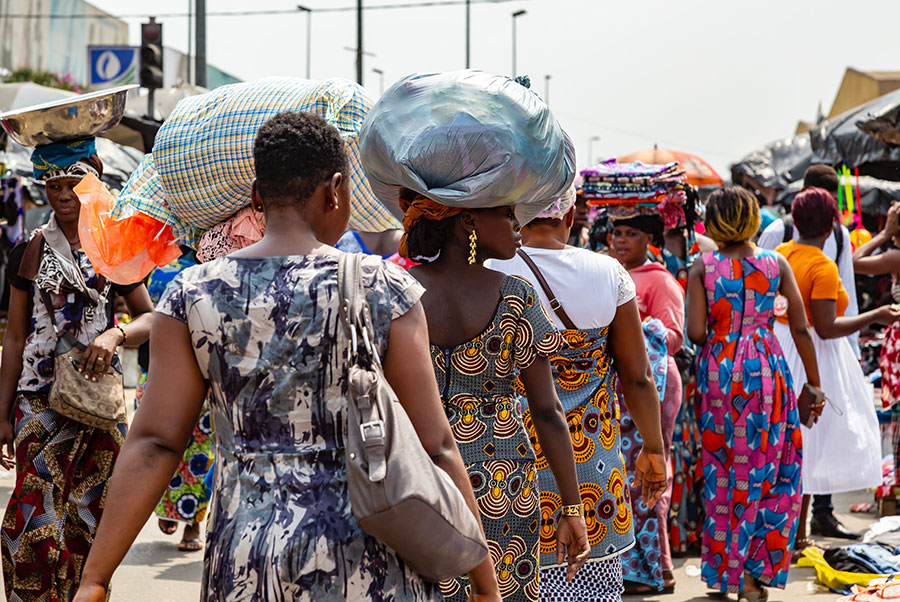
AfCFTA in Action: How the Free Trade Area is Reshaping African Businesses in 2026
The African Continental Free Trade Area (AfCFTA), one of the world’s largest free trade areas by number of countries, is actively reshaping African businesses in 2026. Launched operationally in 2021, it unites a market of over 1.4 billion people with a combined GDP exceeding $3.4 trillion, aiming to boost intra-African trade, industrialization, and economic resilience amid global uncertainties like trade tensions and shifting tariffs.
Here are visuals illustrating the AfCFTA’s scope and potential:
This highlights the continental ambition, showing ratified countries and the unified market vision.
Current Status in 2026
As of early 2026, 54 African Union member states have signed the agreement, with 48 ratified as State Parties. Trading under AfCFTA preferences is underway, particularly through the Guided Trade Initiative (GTI), which has expanded from initial pilots to more countries and products. Key milestones include:
- Significant increases in certificates of origin issued (surging from just 13 in 2022 to over 2,600 by late 2025).
- Active trade in sectors like agriculture, manufacturing, and processed goods (e.g., Ethiopian-Kenyan exchanges of meat, coffee, and edible oils).
- Tariff phase-downs advancing, with Category B goods reductions starting in January 2026 in several countries.
Intra-African trade has reached around $220 billion (approximately KSh 288 trillion), up notably in recent years, driven by tariff concessions and tools like the Pan-African Payment and Settlement System (PAPSS). However, full implementation faces hurdles: infrastructure gaps, non-tariff barriers, uneven customs alignment, and slower progress in some protocols (e.g., digital trade and investment).
How AfCFTA Is Reshaping Businesses
The agreement is fostering a shift from resource exports toward value-added production, regional value chains, and market diversification. Businesses—especially micro, small, and medium-sized enterprises (MSMEs), which account for ~80% of employment—are gaining access to larger markets, reducing reliance on external partners.
Here are real-world examples of this transformation in action:

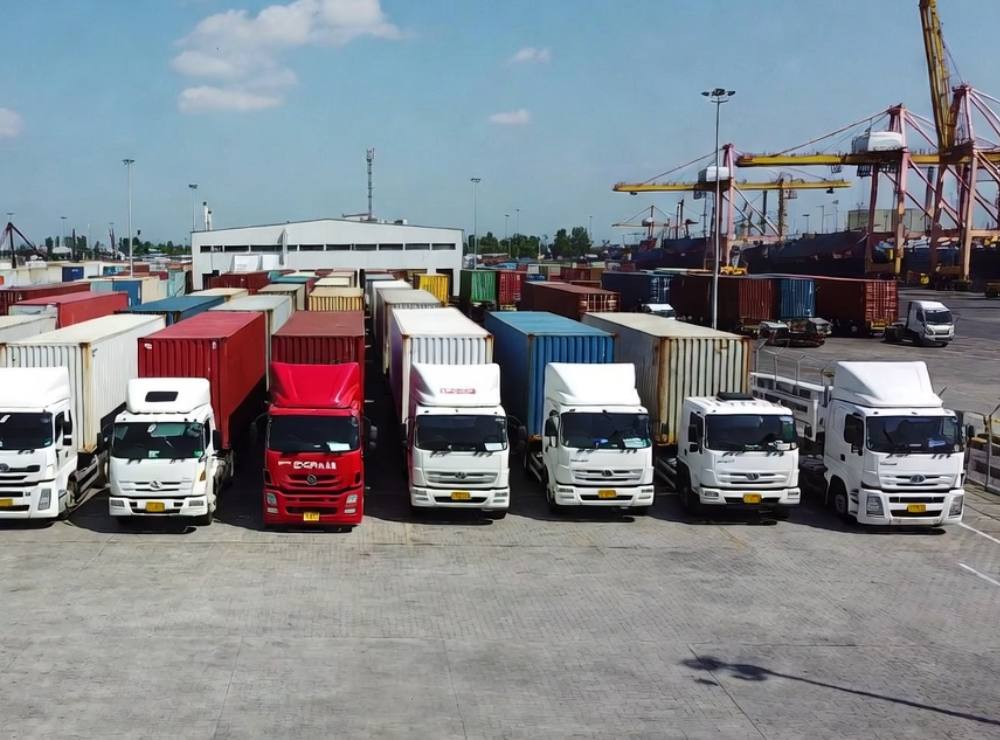
These images capture African ports, supply chains, and cross-border trade—key enablers of AfCFTA-driven growth.
Key impacts on businesses include:
- Expanded market access → Ghanaian agripreneurs export processed goods to East Africa; West African fashion brands reach Southern markets. UNDP-supported initiatives have helped over 12,000 MSMEs enter new markets since 2022.
- Industrial diversification → Lithium-rich nations like the DRC and Zambia are moving toward battery production for global value chains. West African countries (e.g., Côte d’Ivoire, Liberia) are emerging as tire manufacturing hubs.
- Sectoral growth → Automotive, pharmaceuticals, agriculture, and logistics benefit from harmonized regulations and economies of scale. Franchises (e.g., Nigerian or South African brands) expand regionally with fewer barriers.
- Resilience amid global challenges → In 2025–2026, AfCFTA cushions external shocks (e.g., US tariffs), boosting intra-African energy and manufactured goods trade (e.g., Nigeria’s reported ₦4.82 trillion in early 2025 intra-trade).
Projections remain strong: full implementation could lift 30 million out of extreme poverty, raise incomes by $450 billion by 2035, and boost exports significantly, especially in manufacturing.
Looking Ahead
In 2026, focus shifts to deeper implementation—addressing infrastructure, non-tariff barriers, and digital integration—while events like Biashara Afrika 2026 highlight MSME successes. For African businesses, AfCFTA represents a “Made in Africa” revolution: turning fragmentation into opportunity, fostering innovation, job creation, and sustainable growth.
The trade area is no longer just a promise—it’s delivering tangible results, one cross-border shipment at a time.