Science consistently shows that most resolutions crash and burn quickly. Here’s the harsh reality from recent studies and surveys (2023–2026 data):
- Only about 9% of people actually keep their resolutions throughout the year.
- Around 80–88% fail by the end of January or February (some call the second Friday in January “Quitter’s Day”).
- Many give up within the first 2–4 weeks, with long-term success hovering at 6–10%.
Here are eye-opening stats that explain the failure rate — visual breakdowns make it crystal clear why the odds feel stacked against us:
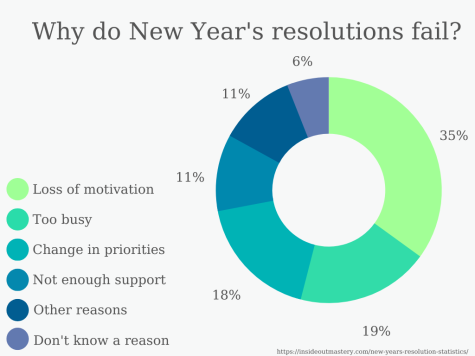

These infographics highlight the drop-off: enthusiasm peaks on January 1, but reality hits hard soon after.
Why Most Resolutions Fail: The Psychological & Behavioral Culprits
It’s rarely about lack of willpower — it’s flawed approach and brain wiring:
- All-or-nothing thinking — Miss one gym day or eat a cookie? Many see it as total failure and quit. This cognitive distortion (common in behavioral health) turns small slips into abandonment.
- Vague or overly ambitious goals — “Get healthier” or “lose weight” lacks specifics. Big, sweeping changes feel exciting but ignore how humans actually form habits (gradually, not overnight).
- Motivation fades fast — The “fresh start” boost is real, but motivation is temporary. Without systems, we rely on fleeting enthusiasm.
- No clear “why” or identity shift — Resolutions often stem from shame/external pressure (“I should”) rather than intrinsic desire or who we want to become. This creates internal conflict.
- No plan for obstacles — Life disrupts routines (travel, stress, holidays), and without backup strategies, habits break.
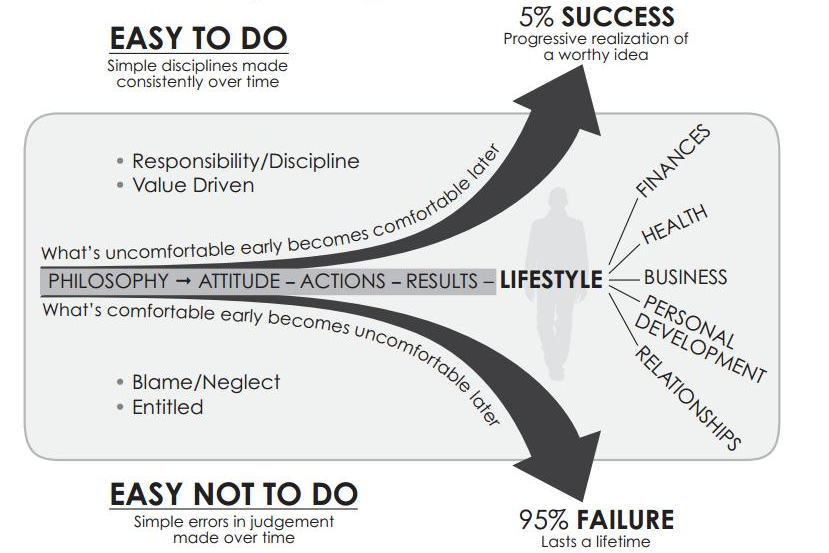
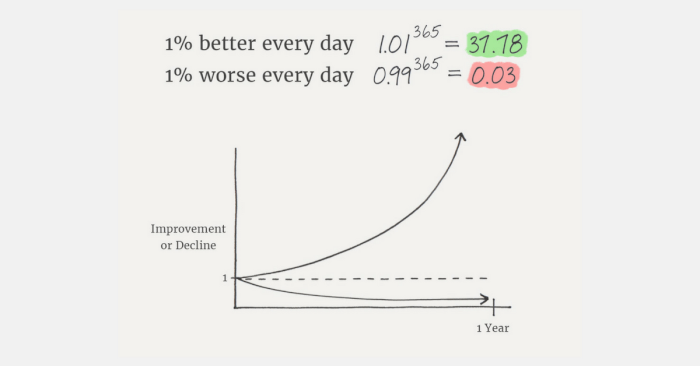
Here are simple visuals showing the classic habit failure curve vs. the slow-but-steady success path — small, consistent actions compound over time:
The 2026 Science-Backed Fix: Build Tiny Systems, Not Giant Goals
The winning shift? Ditch rigid resolutions for habit systems inspired by behavioral science (e.g., James Clear’s Atomic Habits, implementation intentions research, and habit formation studies).
Key proven strategies that work in real life:
- Make it tiny & specific — Start ridiculously small (e.g., “2-minute meditation” instead of “meditate 30 minutes”). Use implementation intentions: “I will [behavior] at [time] in [location].” Studies show this 2–3x follow-through rates.
- Habit stacking — Attach the new habit to an existing one (e.g., “After brushing teeth, I will do 5 push-ups”). Ties it to automatic cues.
- Focus on identity & enjoyment — Shift from “I want to lose weight” to “I’m becoming someone who moves daily and feels energized.” Make the process fun — pair workouts with podcasts or healthy meals with friends.
- Track progress & celebrate — Use apps (like those we discussed earlier: Reclaim.ai, Pattrn) for streaks and insights. Treat slip-ups as data, not defeat.
- Build flexibility — Set minimal/reasonable/optimal levels (e.g., minimal: buy veggies; reasonable: eat them 3x/week). Plan for setbacks with “if-then” backups.
- Run tiny experiments — Test for 1–4 weeks, adjust, repeat. This experimental mindset reduces pressure.
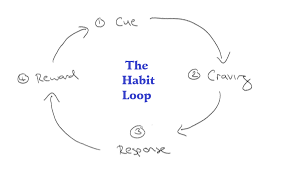
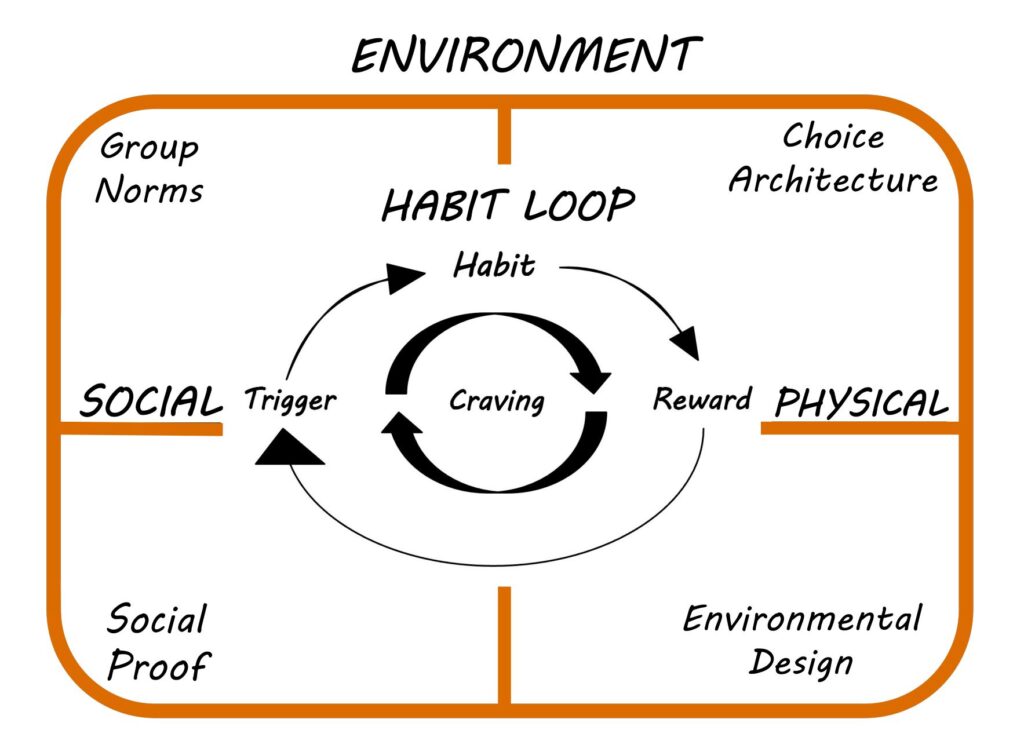
Here are diagrams of the habit loop (cue → craving → response → reward) and how to hack it for lasting change — core to Atomic Habits success:
Pick 1–2 tiny habits tied to your Dry January/Veganuary wins (e.g., “After breakfast, I’ll drink a full glass of water” or “After work, I’ll prep one plant-based meal”). Stack with AI tools for reminders and insights.
The real secret in 2026? Progress compounds — 1% better daily beats heroic overhauls. You’ve already survived the toughest part (the first 10 days!). What’s one small habit you’re ready to lock in right now? Share below — let’s tweak it with science for maximum stickiness!